Blankets serve as versatile climate control tools in the home, providing warmth, weight, and texture to support comfortable rest. Materials range from breathable cotton to thermal blends, with each option offering distinct insulation properties and moisture management. Understanding fabric weight, weave, and care requirements helps match a blanket to seasonal needs and personal sensitivities.
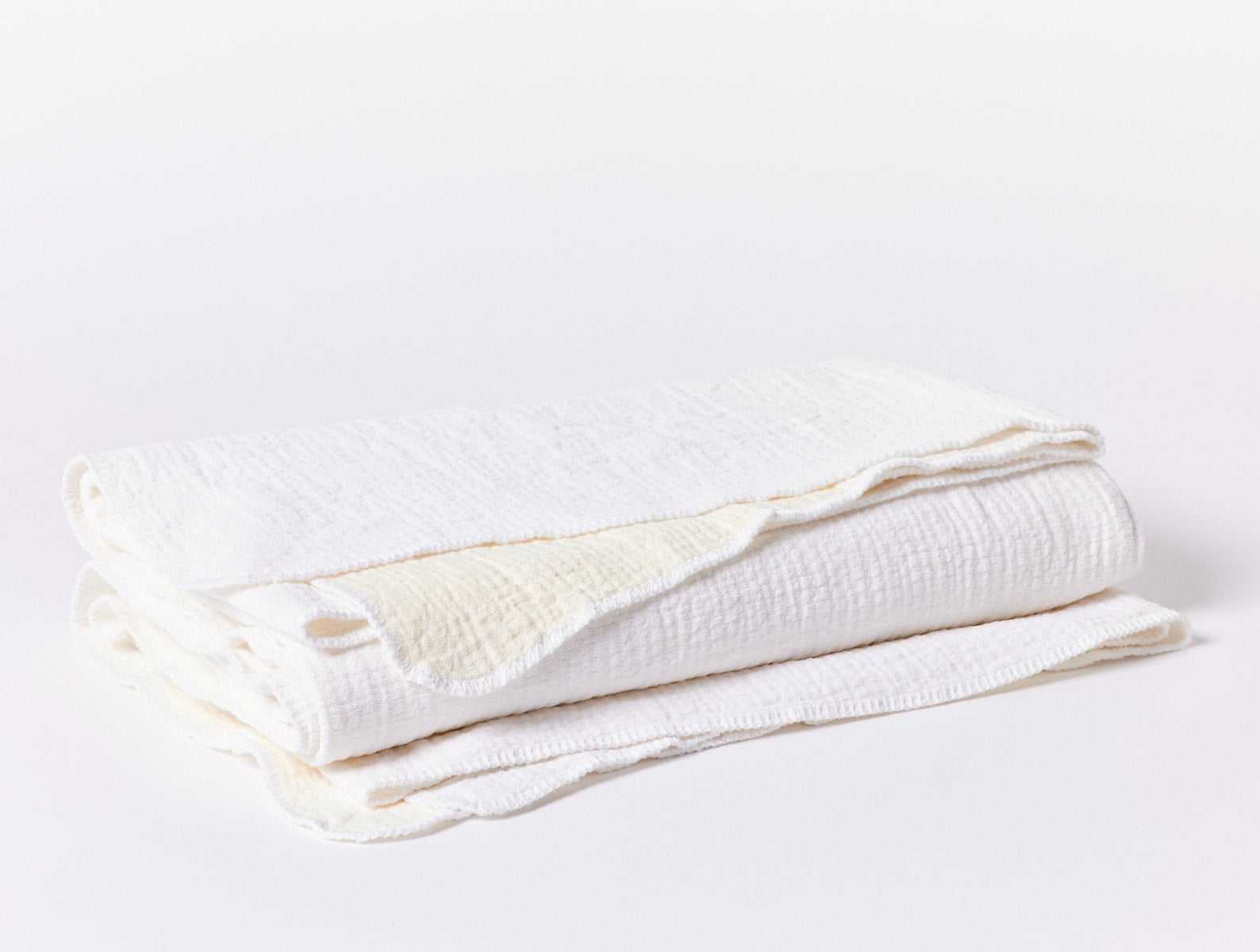
In the realm of comfort and hygiene, organic and natural fibers are valued for durability and chemical-free composition. Cozy Cotton Organic Blanket exemplifies this with a breathable weave that promotes air circulation while maintaining consistent warmth. For sensitive skin, fiber purity and finishing processes contribute to a soothing, hypoallergenic sleeping environment.
Layering strategies are essential for achieving desired warmth without overheating. A versatile blanket can be used over sheets for cooler nights or beneath a duvet as an additional insulating layer. Temperature-regulating fabrics and thoughtful loft prevent excessive heat retention, supporting restful sleep across varying climates and room conditions.
Key features to consider include fiber type, weave density, and edge finishing. Cotton blankets often balance softness with durability, while blends may optimize warmth-to-weight ratio. When evaluating products like the Cozy Cotton Organic Blanket, note fiber origin, washing guidance, and potential contributors to longevity such as reinforced hems and colorfast dyes.
Use cases for blankets extend beyond sleeping to lounging, travel warmth, and bedding protection. In conjunction with a complete bedding setup—pillow forms, memory foam pillows, and sheets—a well-chosen blanket enhances comfort, supports temperature regulation, and aligns with personal care routines. Awareness of material characteristics informs practical care and long-term use, including accessibility of latex or other fiber blends in the category.
 Bedding