A Designer’s Guide to Cooling Bedding Fabrics for Better Sleep
A nuanced exploration of how fabrics influence sleep comfort, with a New Yorker-style lens on material science, room conditions, and the art of layering for year-round balance.
Introduction: The Quiet Alchemy of Cool Sleep
The bedroom is a laboratory where comfort and climate meet, where the body’s instinct to shed heat collides with the room’s ambient temperature. The fabrics that cloak our sheets, duvet covers, and bedding layers are not merely textile; they are behavioral catalysts. They influence how much moisture wicks away, how air circulates across the skin, and how the mind interprets temperature as a signal of safety and rest. In an era when sleep has become a design imperative, the pursuit of a cool, breathable bedding ensemble is a practical luxury, a quiet rebellion against heat and humidity that can disrupt the deepest hours.
This guide draws on the language of texture, porosity, and moisture management to illuminate how cooling fabrics—ranging from cotton percale to TENCEL Lyocell blends, linen, and wool-silk hybrids—behave in real bedrooms. It’s a conversation that blends textile science with interior sensibility, anchored by design storytelling and grounded in the lived experience of sleep.
What Makes a Fabric Feel Cool: The Physics of Comfort
At the heart of a sleeping fabric’s coolness are three factors: porosity, moisture management, and surface texture. Porosity governs how air weaves through the fabric; higher porosity allows micro-currents to transport heat away from the body. Moisture management concerns how the fabric wicks sweat and moves humidity away from the skin, preventing damp warmth from gathering on contact. Surface texture, sometimes overlooked, influences how the skin perceives warmth: a smoother surface can feel less scratchy, a matte weave can sparkle with a deceptive coolness as it reflects less radiant heat.
Think of it as a quiet choreography. A fabric that breathes in the night invites air to circulate, while a clever weave ensures moisture evaporates efficiently. The result is a lighter, more comfortable sleep climate that doesn’t demand sacrifice—softness remains, even as coolness is prioritized.
Fabric Options: How They Perform in Sleep Environments
Cotton Percale
Breathable, crisp weave with excellent airflow.
Cotton percale is the quintessential cool layer: a thread count that favors crisp openness over plush heaviness. It pairs well with a range of warmth preferences when layered with a lighter duvet insert or a silk-covered comforter for shoulder-season versatility. Care notes emphasize gentle washing to preserve the crisp weave, with line drying or low heat finishing to maintain a pristine surface.
TENCEL Lyocell / Lyocell Blends
Moisture-wicking, exceptionally soft, and naturally breathable.
Lyocell fibers are derived from cellulose, offering superb moisture management. A 50/50 cotton-Lyocell blend or a pure Lyocell sheet typically delivers a cooler night experience, with a silky hand and a drape that feels luxurious without trapping heat. Care guides note machine washability, but users should emphasize cool temperatures and gentle cycles to preserve fiber integrity.
Linen
Ancient ally of heat regulation and air flow.
Linen’s rustic texture and high porosity promote notable breathability. It dries quickly, which can be a virtue in humid climates. While linen feels coarser at first touch, modern weaving and pre-washing techniques yield a more comfortable hand over time. Layering linen with a breathable duvet insert amplifies the cooling effect on warm nights.
Wool Blends
Temperature regulation through microclimate management.
Wool—especially in light or mid-weight blends—offers natural moisture management and temperature balance. When spun with cotton or silk layers, it becomes a versatile, year-round option. It’s best used with a duvet cover that protects the wool’s natural properties while maintaining a plush, airy loft.
Silk and Silk Blends
Hypoallergenic, light warmth, and luxurious feel.
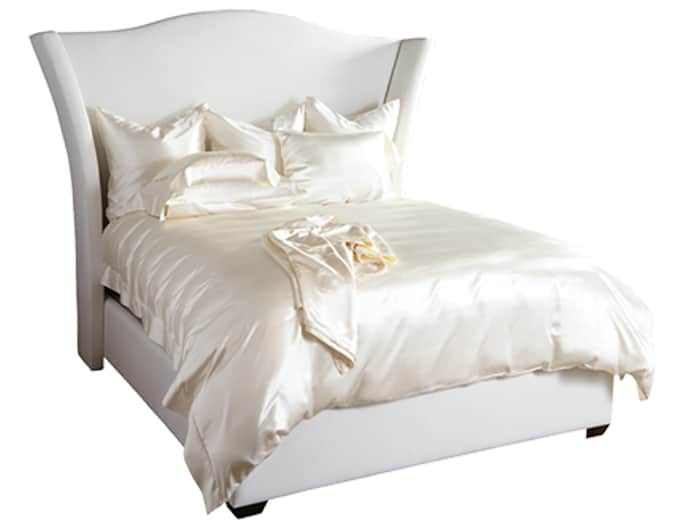
Silk possesses humidity-absorbing properties and a natural softness that many sleepers associate with luxury. Silk-filled comforters or silk-shell coverings provide a breathable, weightless warmth that remains comfortable across seasons, though care instructions often recommend specific cleaning approaches to protect silk fidelity.
Pairing Fabrics with Room Conditions and Sleep Styles
The optimal cooling bedding ensemble demands more than individual fabrics. It requires a thoughtful pairing strategy that respects room humidity, seasonal shifts, and personal warmth preferences. Here are guiding principles:
- Warm sleepers should lean toward lighter weaves and moisture-wicking layers in breathable textures (cotton percale, linen, and light Lyocell blends). A silk micro-layer can offer restraint, a subtle barrier that reduces heat occupancy without adding weight.
- Humid climates benefit from fabrics with high moisture transport and quick-dry properties. Linen remains standout here, with Lyocell blends offering a near-silk-like feel with improved drying dynamics.
- Seasonal transitions call for layering: a cool-season duvet insert combined with a breathable, lighter top layer lets you modulate warmth without resorting to bulk. Consider dual-weight comforters (e.g., silk-filled for all-season, plus a wool or milkweed/blend for winter) with corner loops to secure layers neatly under a duvet cover.
Care and Durability: Keeping Cool Without Compromise
The care guidelines for cooling fabrics matter as much as the fabric choice itself. Cotton percale typically tolerates regular washing, but over-drying or high heat can degrade crispness. Lyocell blends prefer gentler cycles to protect fiber integrity. Linen’s robustness rewards a lighter touch, with air drying to maintain its natural stiffness in a more lived-in, comfortable state. Silk, when present, demands respect: spot cleaning and professional care for tough stains preserve its luster, while some silk-filled comforters are designed to be washable with specialized instructions.
The ethos here is not to chase a sterile factory finish but to cultivate a durable, breathable ecosystem for sleep—one that values texture as much as temperature.
A Designer’s Palette: The Cloud 700 as a Case Study
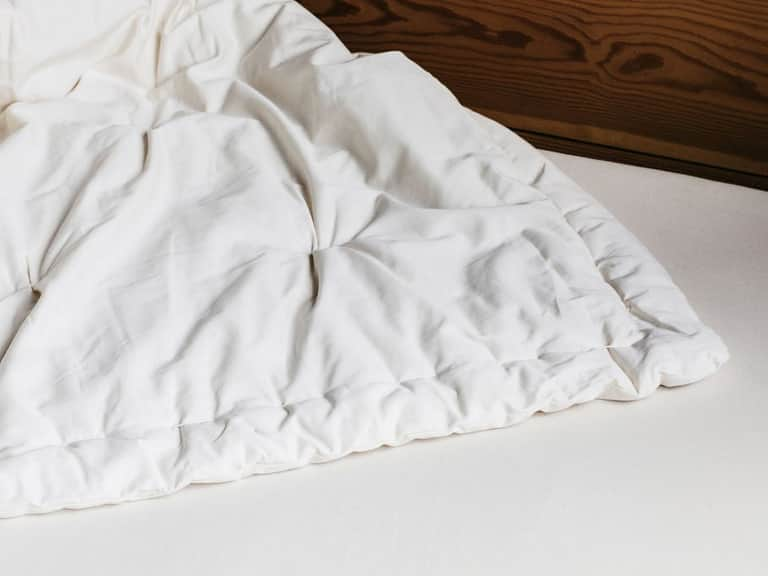
If we borrow a contemporary exemplar from a boutique bedding line, the Cloud 700 stands out as a model for cool luxury. It combines a 50/50 milkweed fiber and white goose down fill with a 100% cotton sateen shell. The loft is calibrated through a baffled box construction, corner loops secure the duvet inside its cover, and the entire piece is positioned as a warm-weather luxury rather than a heavy, heat-retentive weight.
In product terms, this is a lesson in layering and climate storytelling: a cooling philosophy told through materials, a tactile experience that remains sumptuous while respecting the body's need to dissipate heat at night.
This exemplar connects the dots between a designer’s sensibility and practical sleep science. It demonstrates how a well-chosen fill, a breathable shell, and a carefully engineered loft strategy can deliver a night’s sleep that feels light on the body yet rich in texture—an ideal balance of form and function.
Material Breakdown
50% milkweed fiber, 50% white goose down; Cotton sateen shell
Key Features
- Baffled box construction for stable loft
- Corner loops to anchor duvet cover
- Hypoallergenic and moisture-wicking design
Three Time-Period Perspectives: A Short Consultation with the Past, Present, and Future
Ancient textile wisdom: Egypt and Linen Empires
The ancient Nile civilizations prized linen not merely for its cool surface against skin but for its moisture-handling properties and the way it aged gracefully in heat and humidity. Linen’s reputation as a cooling fabric isn’t a modern myth; it’s a lineage trait—a reminder that some of the oldest textiles remain among the most effective in temperature regulation.
Modern science and the Lyocell moment
The Lyocell family—the Lyocell/ TENCEL lineage—embodies a late-20th to 21st-century synthesis of sustainability and performance. Its moisture management and soft hand translate into sleep-friendly fabrics, a synthesis of ethics and comfort that designers adore for layering strategies and easy-care routines.
Future forecast: milkweed and sustainable luxury
The Cloud 700 illustrates a forward-looking approach to luxury that remains environmentally conscious: milkweed fiber as a low-heat, high- loft fill paired with down, wrapped in a breathable shell. The future of cooling bedding may well be a conversation about biodiversity-supported materials and a broader definition of comfort that transcends mere temperature.
Choosing Your Cooling Bedding Ensemble: A Practical Framework
To translate theory into texture, consider a three-tier framework:
- Layer 1: Top Fabric Choice — Start with a base fabric you’ll touch nightly: cotton percale for crispness and high airflow, linen for natural breathability, or a Lyocell blend for moisture management and softness.
- Layer 2: Fill Comfort — Pair your top fabric with a fill that complements your climate: lightweight silk, breathable wool blends, or a cooling down-alternative that balances loft with humidity control.
- Layer 3: Weave and Loft Architecture — Favor products with well-considered loft, such as a baffled box construction, to maintain uniform warmth without heat traps. Corner loops add a finishing touch that aids in stable layering inside a duvet cover.
The intention is not to chase a single universal solution but to craft a personalized sleep climate that scales through seasons, room conditions, and personal warmth thresholds. The “coolness” of a night’s sleep emerges from a chorus of fabrics, weaves, and careful layering—each part harmonizing with the others.
Product Spotlight: Cloud 700 as a Case Study
The Cloud 700 offers a compelling case for how a cooling bedding story can be told through material alchemy. The milkweed-down blend delivers loft and warmth without overwhelming heat, while the cotton sateen shell remains silky and breathable. It’s a modern luxury with a conscience—built to last and designed for the shared warmth of a couple through the seasons.
Consider pairing this with a lightweight cotton sheet and a satin-finish duvet cover to maximize surface coolness without sacrificing tactile comfort.
Key Details
- Fill: 50% milkweed fiber / 50% white goose down
- Shell: 100% cotton sateen
- Loft: Baffled box construction with corner loops
- Care: Spot treat only
- Certifications: OEKO-TEX Standard 100
This product is emblematic of how design and science can converge in service of better sleep. It’s not just about keeping your body cool; it’s about shaping a nocturnal environment that feels like a quiet retreat rather than a battlefield against heat.
Conclusion: A New Sleep Ethic for Modern Interiors
The pursuit of cooling bedding fabrics is more than a shopping exercise; it’s an invitation to reimagine the bedroom as a sanctuary where climate, texture, and design interlock. By embracing fabrics that balance breathability, moisture management, and tactile softness, readers can craft sleep environments that stay comfortable through fluctuations in temperature and humidity, while still feeling luxurious and deliberately chosen.
Suggested Reading and Resources
- The Fabric of Sleep: Textile Science and Sleep Quality
- Sustainable Bedding: Materials and Care Guides
- Design Principles for Year-Round Comfort
About This Article
Written in a voice inspired by The New Yorker’s editorial cadence, this piece blends architectural precision with a literary sensibility, turning a practical topic into a narrative about the sensory and scientific textures of sleep.
References and Acknowledgments
The discussion draws on contemporary bedding materials, including cotton percale, TENCEL Lyocell blends, linen, wool blends, and silk-filled options, with a spotlight on cooling properties and care guidelines as described in product catalogs such as Cloud 700 and related comforter designs.